Mobile App Development Trends 2026: The Future is AI-Native, Fast & Privacy-First
In March 2026, the mobile app landscape has transformed dramatically. Global downloads are projected to exceed 181 billion, revenue nears $900–935 billion, yet traditional app usage faces disruption: Gartner predicts a 25% decline in mobile app usage by 2027 as AI assistants and agents handle tasks directly. AI is no longer a feature — it's infrastructure. On-device models, agentic capabilities, edge computing, and voice-first interfaces dominate.

AI-powered mobile ecosystem in 2026 – foldables, agents, and connected intelligence on display
Why 2026 Is a Turning Point for Mobile Apps
The mobile app market has matured into a $1 trillion ecosystem. Android leads in volume, iOS in monetization. But user behavior is shifting:
- Generative AI apps saw 3.6× time spent in 2025 vs 2024 (Sensor Tower)
- AI smartphones shipments forecast to reach 912 million by 2028 (IDC)
- 40% of enterprise apps will include task-specific AI agents by end-2026 (Gartner)
- Performance delays cause 77% churn within 3 days
Businesses ignoring these mobile app trends 2026 risk obsolescence. Developers must build faster, smarter, more private apps.
Top 10 Mobile App Development Trends in 2026
1. AI-Native & Agentic Mobile Applications
AI has evolved from chatbots to proactive agents. On-device generative models (smaller LLMs like Phi-3, Gemma) enable privacy-preserving personalization, prediction, and automation without constant cloud calls.
- Task-specific AI agents book travel, summarize emails, generate content
- Hyper-personalized UX: apps adapt UI/layouts in real-time
- Voice-first & ambient computing: Siri/Google Assistant-level but app-embedded
Impact: Apps become assistants, not just tools.
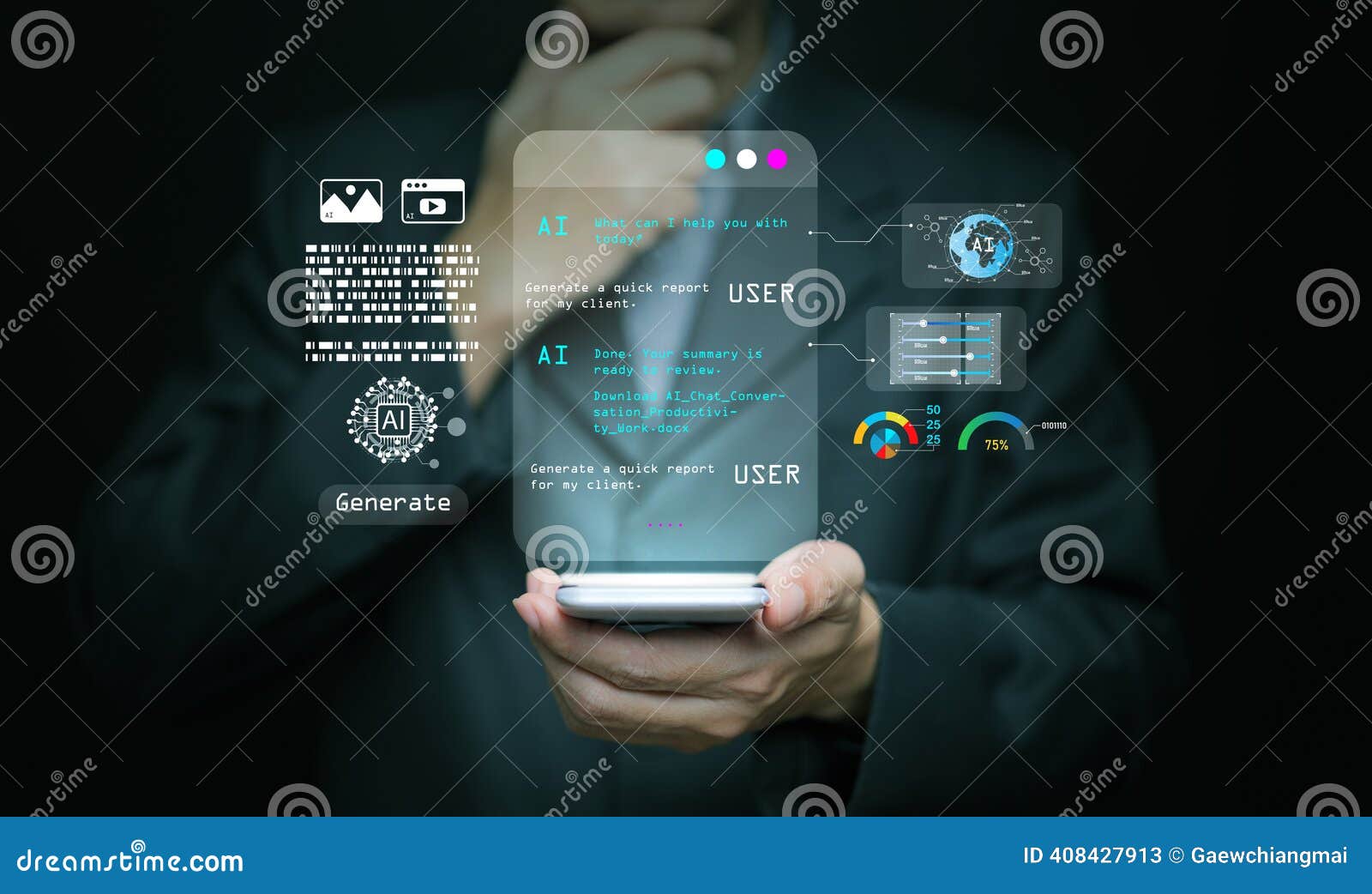
Futuristic AI agent interface on mobile – 2026 trend example with proactive dashboard and holographic elements
2. Performance as the New UX – Edge Computing & 5G Maturity
Users expect sub-second loads. 5G + edge computing reduces latency to <10ms, enabling real-time AR, multiplayer, HD streaming. Slow apps lose users instantly.
Key stats: 53% uninstall after one bad experience; battery & heat complaints rise.
3. Cross-Platform & Multi-Platform Dominance
Flutter, React Native, Kotlin Multiplatform now deliver 95%+ native performance. Businesses save 40–60% cost/time. 2026 standard: one codebase for iOS, Android, web, desktop.
4. Privacy-First & Security by Design
Post-data-breach era: end-to-end encryption, on-device processing, zero-knowledge proofs. Apple/Google enforce stricter rules. Privacy becomes a marketing feature.
5. AR/VR & Immersive Experiences Go Mainstream
AR market >$220B by 2026. Virtual try-ons, training, navigation. Better hardware (LiDAR, glasses) + 5G = lag-free immersion.
6. IoT Mobile Hubs & Connected Ecosystems
Phones control smart homes, cars, wearables. Real-time data + AI = predictive maintenance, health insights.
7. Super Apps & Mini-Apps Expansion (Regional)
WeChat-style in Asia; Western versions via wallets (Apple Wallet, Google) or progressive web + native hybrids.
8. No-Code/Low-Code + AI Builders Rise
Gartner: 75% new apps via low-code by 2026. Tools like Lovable, Bubble, Adalo + AI let non-devs ship fast.
9. Voice & Multimodal Interfaces
157M+ US voice users by 2026. Apps combine voice, touch, gesture for hands-free experiences.
10. The Shift: From Apps to AI Agents & Micro-Apps
Users build personal "micro-apps" via vibe-coding. Traditional apps decline as agents orchestrate tasks across services.
Why Businesses Must Act on These Mobile App Trends 2026
- Meet rising personalization & speed expectations
- Combat churn from poor performance/privacy
- Leverage AI for retention & new revenue (subscriptions up)
- Future-proof against AI assistant disruption
Partner with CodeStam Technologies for 2026-Ready Apps
At CodeStam, we build AI-native, high-performance, secure mobile solutions using Flutter, React Native, on-device ML, edge integration & more.
- Custom Android & iOS Development
- Cross-Platform Excellence (Flutter / React Native)
- AI Agent & Generative Features
- UI/UX Focused on Speed & Privacy
- AR/VR, IoT, Maintenance & Scaling
Conclusion: Build for the AI-First Mobile Era
2026 marks the shift from app-centric to agent-centric mobile experiences. Embrace mobile app development trends 2026 — AI-native intelligence, blazing performance, privacy, multimodal UX — or risk being replaced by assistants. The winners will deliver seamless, anticipatory, respectful digital companions.
Ready to future-proof your mobile presence? Connect with CodeStam today.
Frequently Asked Questions – Mobile App Trends 2026
What are the biggest mobile app development trends in 2026?
AI-native/agentic apps, performance UX via edge/5G, cross-platform maturity, privacy-first design, AR/VR mainstream, voice/multimodal, no-code rise, IoT hubs, super/mini-apps, shift to AI assistants.
Will mobile app usage decline in 2026–2027?
Yes — Gartner forecasts ~25% drop by 2027 as AI agents handle tasks directly on-device or via assistants, reducing need for dedicated apps.
How important is AI in mobile apps in 2026?
AI has become a major competitive advantage rather than an optional feature. Businesses use AI-powered mobile apps for personalized user experiences, intelligent search, customer support chatbots, workflow automation, predictive analytics, voice assistants, and content generation. Integrating AI can improve user engagement, reduce operational costs, and help businesses make faster, data-driven decisions.
Is cross-platform still the best choice in 2026?
Yes — Flutter/React Native/Kotlin MP deliver near-native speed, huge cost savings, and now support desktop/web too.
What role does 5G play in 2026 mobile trends?
Enables ultra-low latency for real-time AR/VR, gaming, IoT, HD streaming — combined with edge computing for instant responses.
Are no-code/low-code platforms taking over?
Gartner predicts 75% new apps via low-code by 2026; AI-powered builders let non-devs ship production apps quickly.